
Planned maintenance
Site specific PPM, service parts, asset records, reporting and agreed response cover.
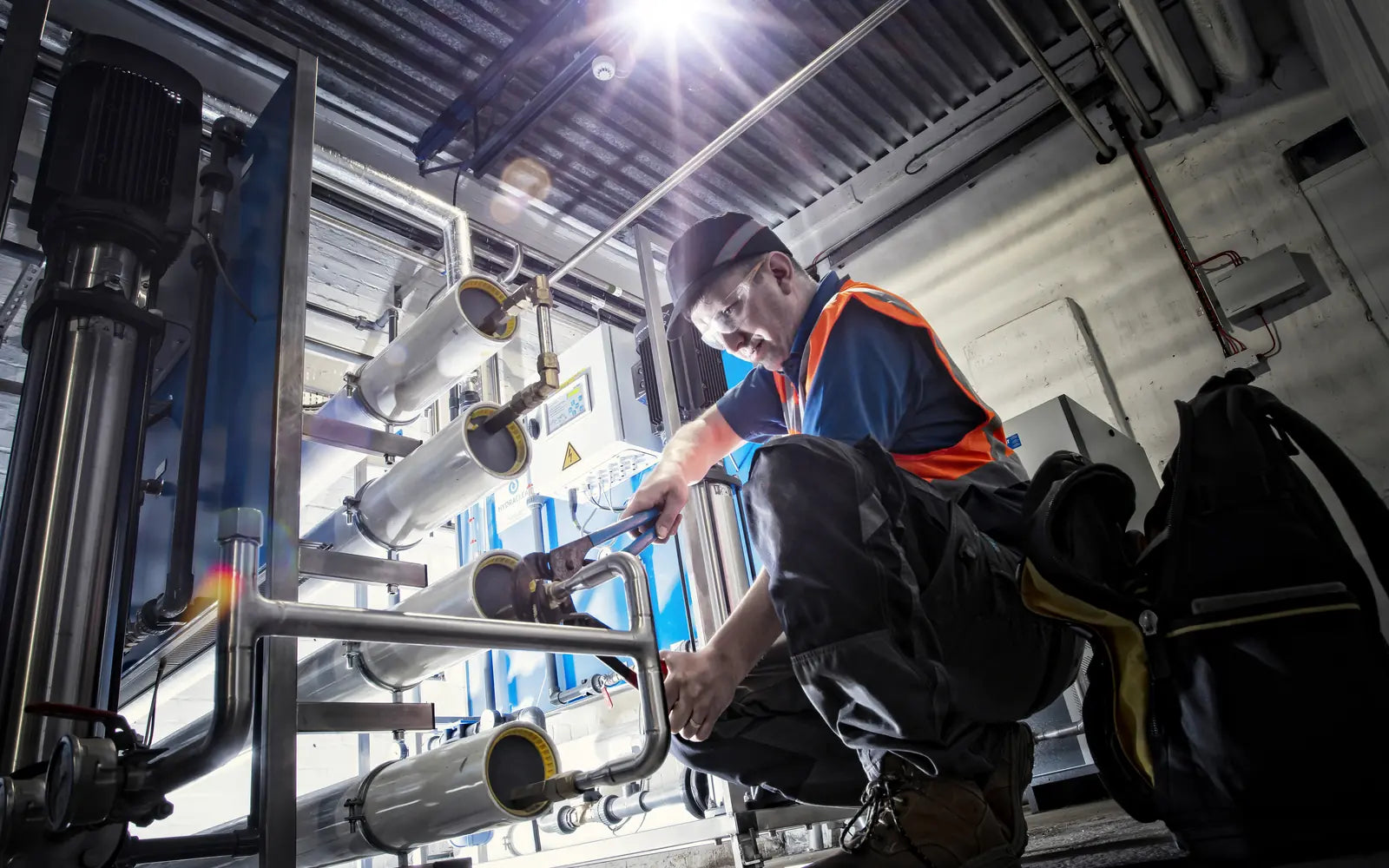
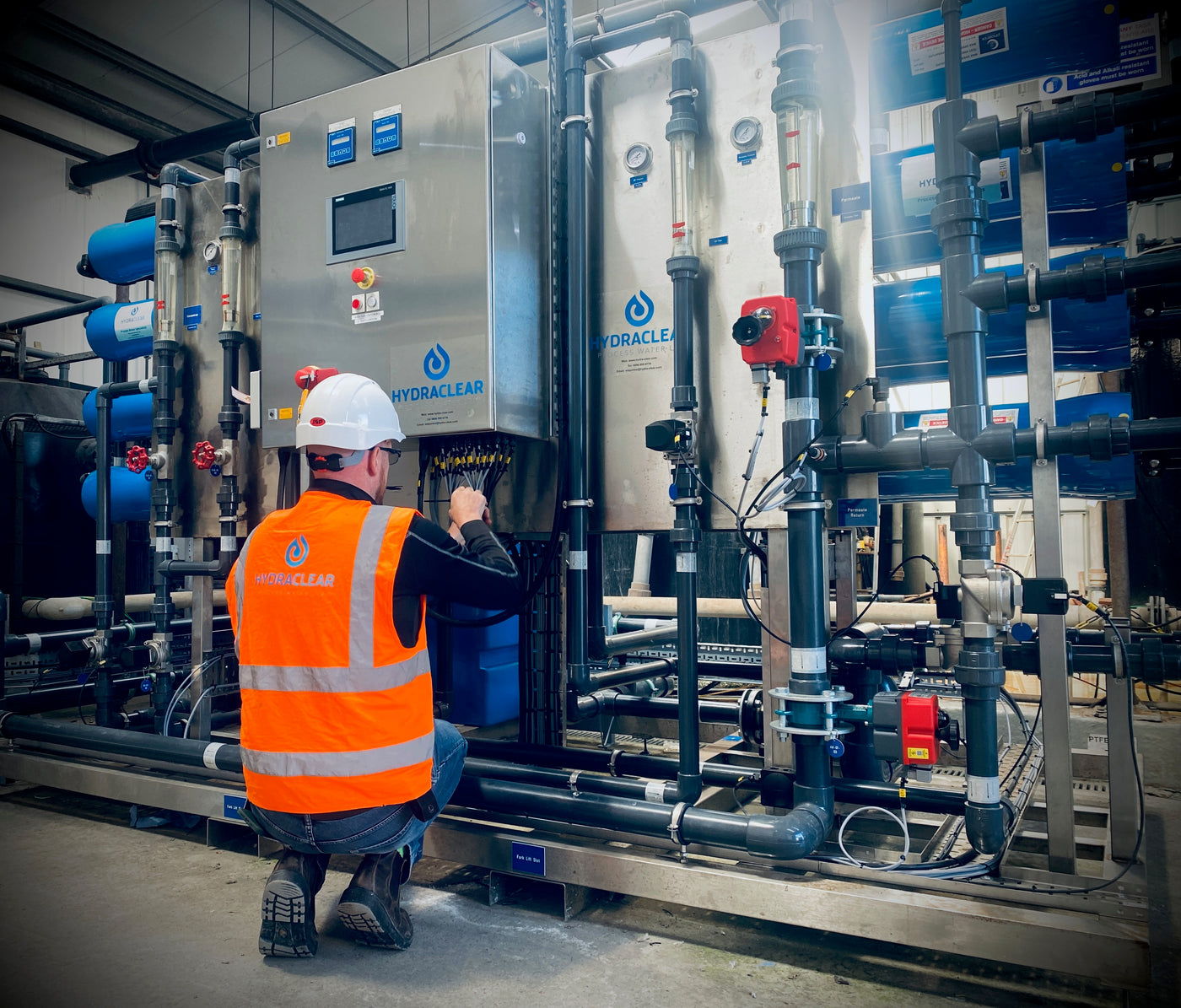
Discuss a service contractHydra-Clear services, audits, repairs and upgrades process water equipment from every manufacturer. You do not need to own a Hydra-Clear system to use our engineers.
Use the enquiry route that best matches the current problem. Every request reaches the same engineering team.
Site specific PPM, service parts, asset records, reporting and agreed response cover.
Discuss a service contractStructured diagnosis, repair and recovery support when equipment or water quality fails.
Report a faultReview water balance, recovery, energy, controls, maintenance history and operating risk.
Book an auditNormalised performance review, foulant diagnosis, cleaning strategy and membrane replacement.
Discuss membrane performanceMedia selection, vessel inspection, removal, refill, regeneration, testing and recommissioning.
Plan a media changeEngineer selected filters, membranes, resin, instruments and replacement components.
Request parts support*Response commitment applies to qualifying service contracts and agreed coverage conditions.
An audit connects plant data to practical engineering actions before wholesale replacement is considered.
We can review the equipment, operating condition, maintenance history and business criticality, then propose a practical support plan.